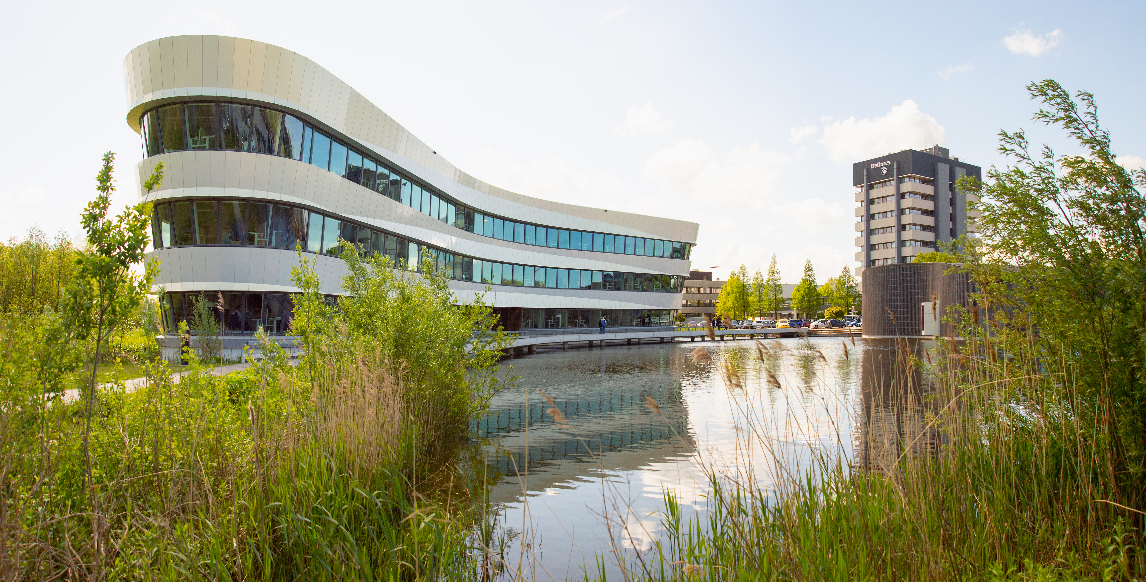
Geolab tours
TU Delft and several nearby institutes and companies will open their laboratories to you.
The lab visits will be offered free of charge to IAEG 2026 delegates and will be exclusive, with a visitor-to-guide ratio of 10:1. Places will be allocated on a first-come, first-served basis. If there is strong interest, some additional visits may be offered.
The list of laboratories open to IAEG 2026 delegates, the visit schedules, logistical details (including transportation and lunch), are communicated below. Registration is only possible from the Hub of the IAEG 2026 registration platform. It opens on 15 September for one month.
Important note: In accordance with national security regulations, all candidates to the Geolab visits will be subject to security screening. Therefore, entry to the premises cannot be guaranteed. Moreover, passports will be verified by security authorities at the NRI entrance. We appreciate your understanding and cooperation.
Looking for another activity? Consider joining our special WEG event, The Great Story of the Sint Sebastiaanbrug, and discover the fascinating engineering and geotechnical story behind this multi-purpose bridge.
The TU Delft Geoscience & Engineering (GSE) Lab, located at the Faculty of Civil Engineering & Geosciences offers four different Geolab tours to IAEG 2026 delegates:
Geolab 1 - Advanced Soft Soil Testing lab
Geolab 2 - The Multi-physics Geomechanics lab
Geolab 3 - The RockDef lab
Geolab 4 - The Geo-engineering Physical Modelling lab.
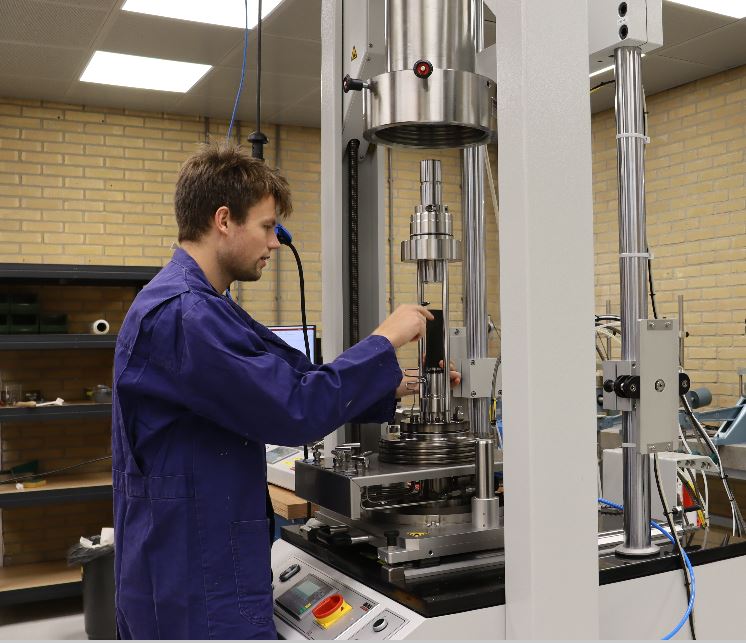
Geolab 1 - The GSE Advanced Soft Soil Testing lab
This lab functions as a shared, internationally oriented experimental platform for characterising soil behaviour across scales and processes. It offers a broad experimental suite - including several in-house developed testing rigs, such as a Multi-axial Cyclic-Dynamic Shearing System.
Your hosts will be Stefano Muraro, and colleagues. During the visit, they will provide an overview of the facilities and ongoing experimental research activities within TU Delft’s Geo-Engineering Section.
The visit is offered on Tuesday 3 November, from 12:45 to 14:00
Departure & Return points: Aula
5-10 min walk
Lunch bag provided
Maximum number of participants: 10
Geolab 2 - The GSE Multi-physics Geomechanics lab
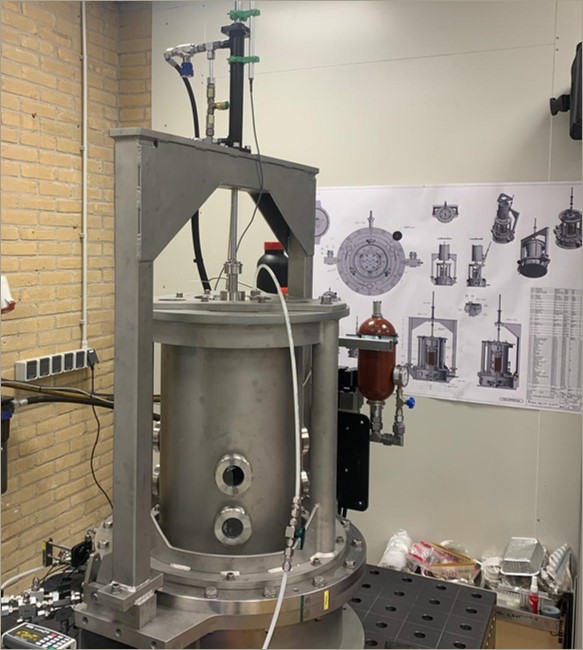
Similar to the GSE Advanced Soft Soil Testing Laboratory, this laboratory operates as a shared international research platform for characterising soil behaviour across scales and processes. Its facilities include direct and simple shear devices, oedometers, and a triaxial set-up, all tailored for testing poorly indurated clay.
Your hosts will be Anne-Catherine Dieudonne and colleagues Ties de Jong and Vidushi Toshniwal. During the visit, they will provide an overview of the facilities and ongoing experimental research activities within TU Delft’s Geo-Engineering Section.
The visit is offered on Tuesday 3 November, from 12:45 to 14:00
Departure & Return points: Aula
5-10 min walk
Lunch bag provided
Maximum number of participants: 10
Geolab 3 - The GSE RockDef lab
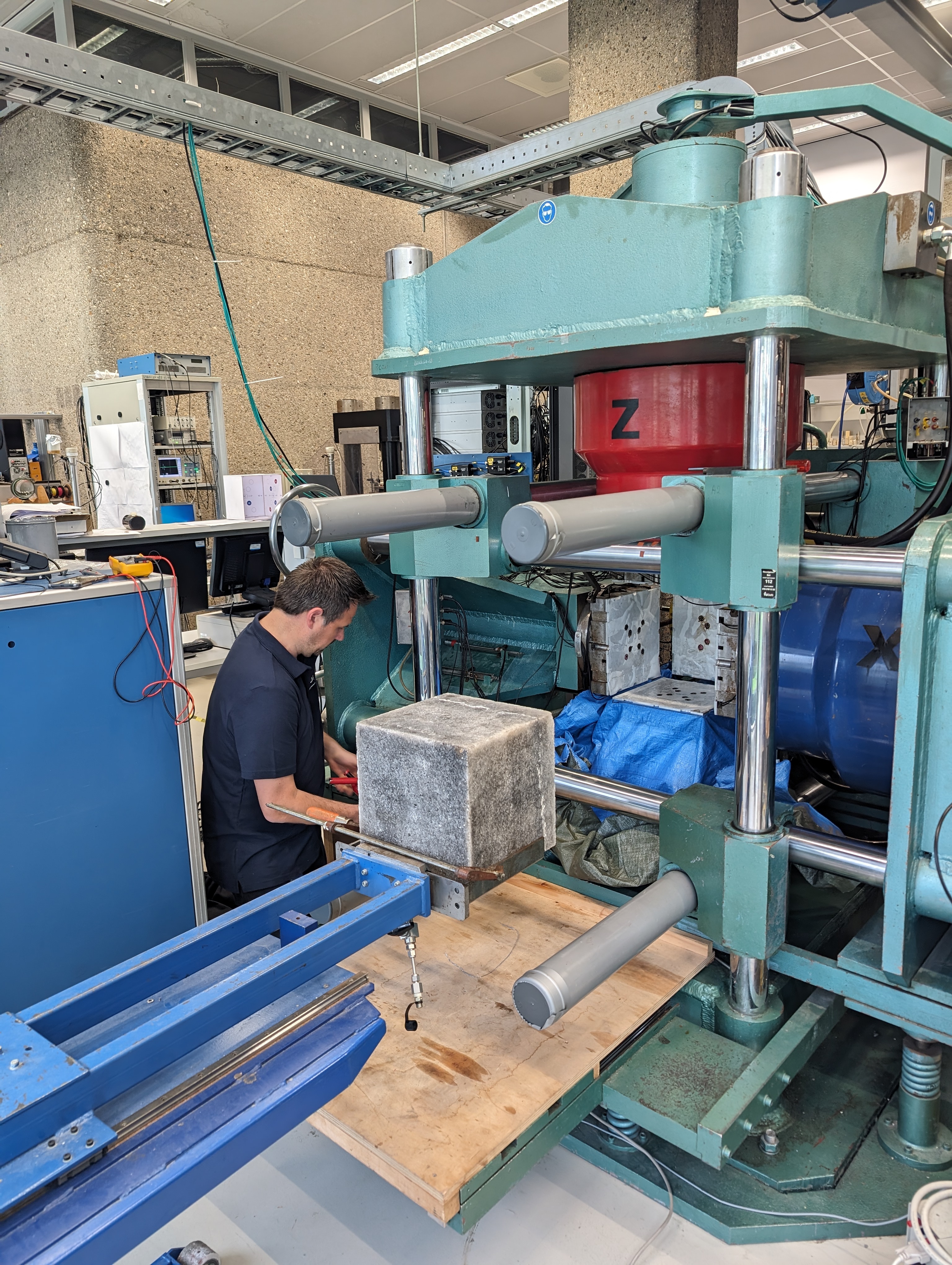
The Rock Deformation Laboratory hosts several standard triaxial cells, geared towards exploring the upper crust. Depending on the vessel, the maximum temperatures that can be reached are 200°C and confining pressures up to 100 MPa. The lab also includes several large-scale apparatus, such as a borehole simulator accommodating 40 cm x 60 cm cylindrical samples at in-situ temperatures and pressure, as well as one of the largest true triaxial setups in Europe, capable of testing 30 cm x 30 cm x 30 cm blocks with confining stresses of up to 30 MPa on each axis.
Extensive acoustic monitoring capacities support both active and passive acoustic measurements.
Moreover, the RockDef lab is equipped with a state-of-the-art (micro-)CT scanning facility, which enables imaging of small to large cores at resolutions down to the nanometer scale.
The tour will provide an overview of the facilities and ongoing activities.
Your hosts will be Anne Pluymakers and her colleagues.
The visit is offered on Tuesday 3 and Wednesday 4 November, from 12:45 to 14:00
Departure & Return points: Aula
5-10 min walk
Lunch bag provided
Maximum number of participants per day: 10
Geolab 4 - The GSE Geo-engineering Physical Modelling lab
The laboratory houses two major pieces of equipment:
Both apparatuses can be used to investigate a wide range of geotechnical challenges and offer infrastructure that supports extensive instrumentation, including multiple camera systems for Particle Image Velocimetry (PIV). The liquefaction tank (top right) includes a fluidisation system for sample preparation and a robotically controlled dredging system for creating different soil geometries. The centrifuge (bottom right) facility features a broad suite of actuation systems, including impact hammers, a vibrodriver, a 2D loading frame with CPT module, and a lateral actuator. Together, this equipment enables soil characterization, foundation installation using various methods, and subsequent lateral loading.
Recent projects include comparing the lateral response of monpile foundations installed through various installation methods (without stopping the centrifuge), investigating the behaviour of anchored retaining walls, and photoelastic analysis of suction caisson installation. The centrifuge facility is supported by extensive expertise in sample preparation for clays (at various OCRs) and sands (via dry pluviation) at a range of relative densities, with the option to incorporate HPMC-based viscous fluids.
Your host will be Miguel Cabrera.
The visit is offered on Tuesday 3 and Wednesday 4 November, from 12:45 to 14:00
Departure & return point: Aula
5-10 min walk
Lunch bag provided
Maximum number of participants per day: 7
The Delft Subsurface Urban Energy Laboratory, located on the TU Delft campus, is based on a deep geothermal project with wells drilled in 2023, a high-temperature aquifer thermal energy storage system (to be installed in 2026), and a deep monitoring borehole (to be installed ~2028). This field trip offers visits to key locations, insights into on-site progress, and an overview of the scientific objectives and achievements to date. The project produces up to 25 MW of thermal energy providing heating to the TU Delft campus and soon to a substantial part of the city of Delft.
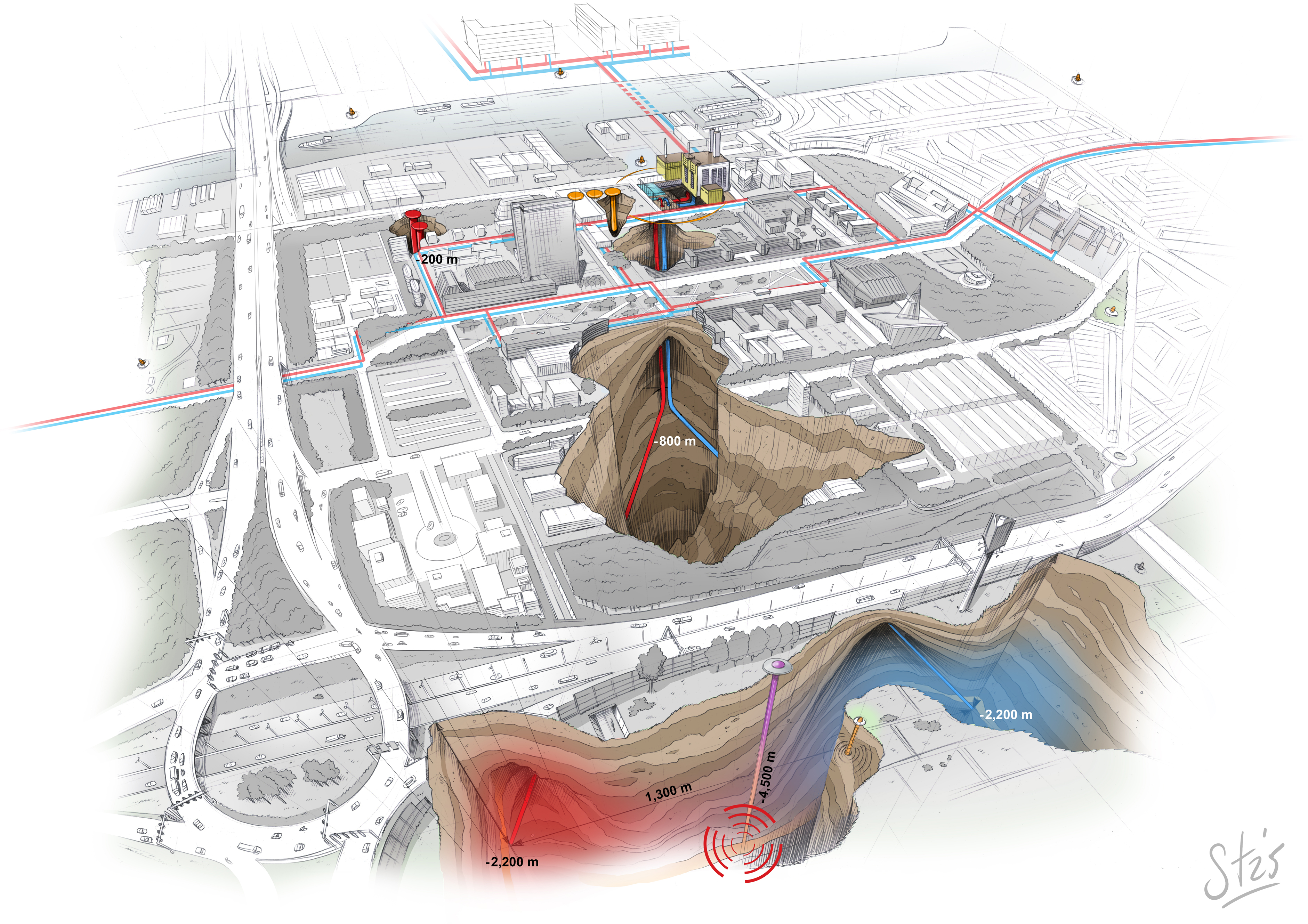
Illustration: Studio Stephan Timmers
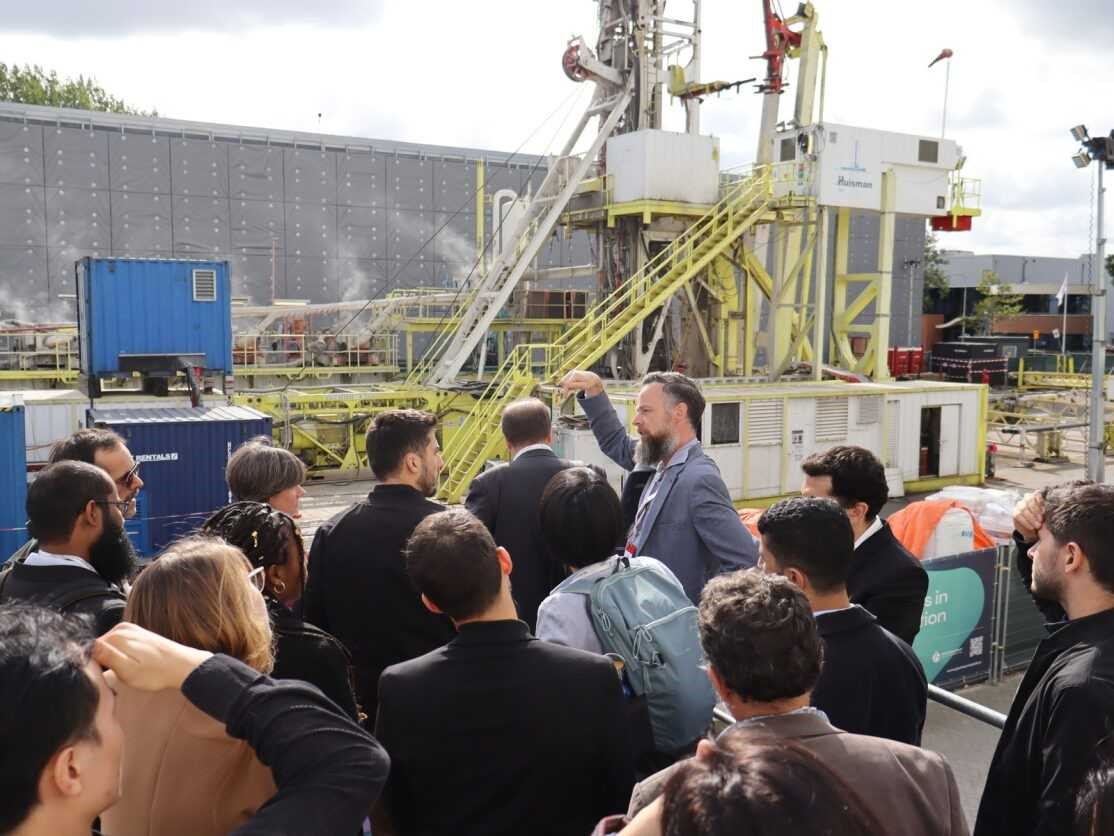
Your host will be Phil vardon and colleagues.
The site visit is offered on Wednesday 4 November, from 12:45 to 14:00
Departure & return point: Aula
Lunch bag provided, to be consumed in the Aula
15 min walk - Outdoor visit
Maximum number of participants: 10
We are pleased to invite you to an exclusive technical tour at the Fugro TechCenter, where you will gain behind‑the‑scenes insight into the technologies and expertise that power Fugro’s global geotechnical operations. Your visit will include three consecutive guided tours, each hosted by our leading specialists:
The state‑of‑the‑art geotechnical soil laboratory
The accredited cone penetrometer calibration laboratory
The advanced technology workshop
This is a unique opportunity to visit Fugro’s facilities up close and engage directly with the experts who develop and operate cutting‑edge solutions.
About the facilities and guided tours:
In October 2025, Fugro opened its new Head Office, located directly across from the TechCenter. The building houses a state-of-the-art geotechnical soil laboratory, where samples from both marine and land site investigations are analysed using the newest soil testing equipment and international standards.
The Fugro TechCenter is home to the cone penetrometer calibration laboratory and the technology workshop. Here, all ~4,000 cone penetrometers used worldwide in Fugro operations are manufactured, maintained, and calibrated under strict accredited procedures. In the technology workshop offshore and onshore site characterization equipment is assembled and maintained. During your visit, you will get an early look at some of our latest innovations such as the Electric Deep Drive®.
You will be hosted by Jordy Mollé and Nico Parasie, along with Fugro colleagues.
The Fugro Geolab tour is planned on Wednesday 4 November, from 12:45 to 16:30
Departure & Return points: Aula
Lunch bag provided
Transportation by coach
Maximum number of participants: 30, divided in 3 groups of 10
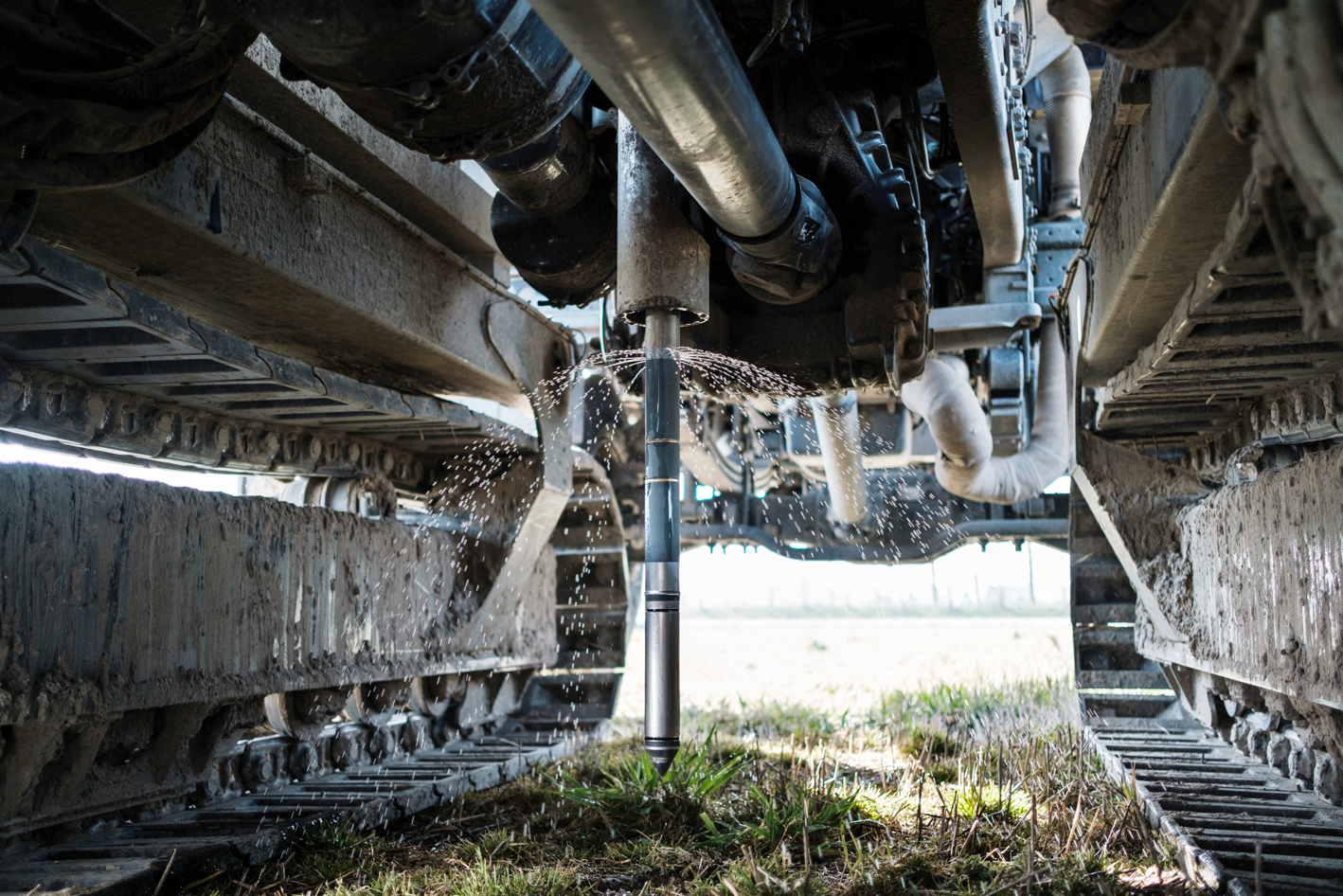
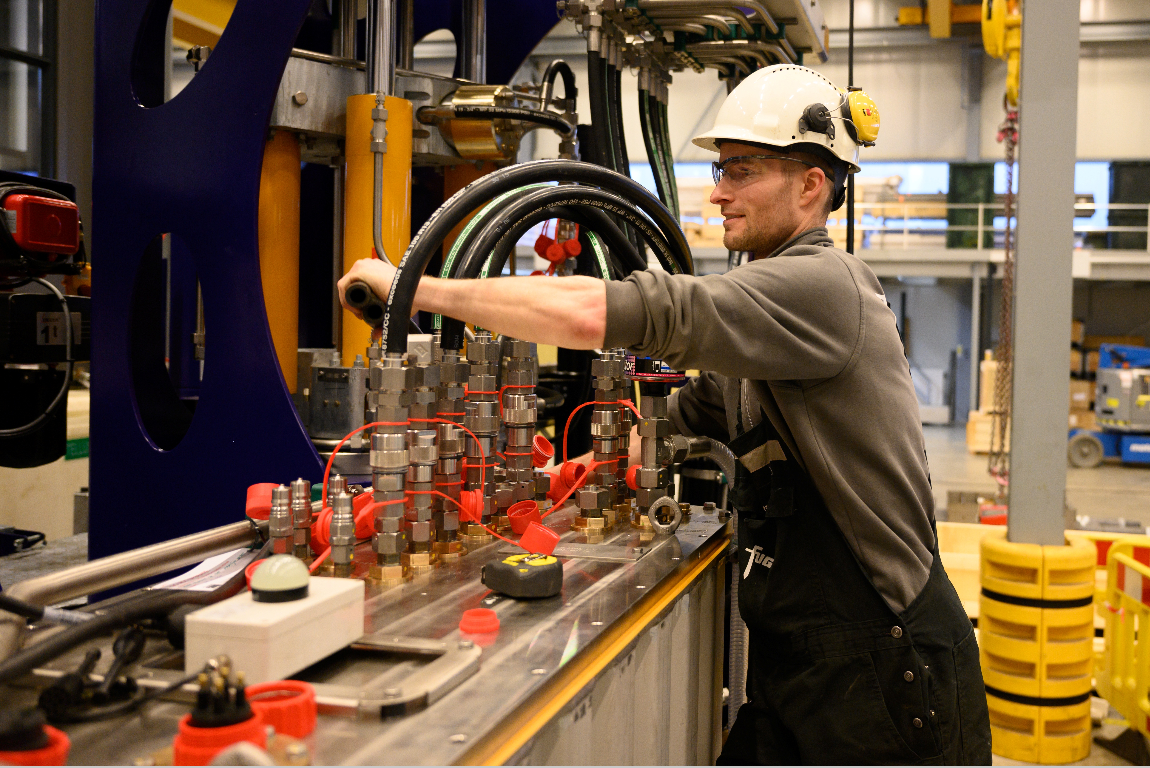
All Images: Credit - Fugro
TU Delft Microlab is a world-renowned research laboratory dedicated to advancing fundamental knowledge in construction materials. Research activities bridge microstructural characterization and computational modelling to predict material behavior from the inside out. While cement-based systems such as concrete remain the primary focus, composites, glass, metals, and bio-based materials are also investigated.
During the tour, you will gain insight into cutting-edge experimental and analytical capabilities, including advanced (E)SEM with EDS/WDS, XRD, XRF, TGA-DSC, Instron testing machines, rheometers, and nano-indentation systems.
Oguzhan Copuroglu and his colleagues will be your hosts.
Erik Schlangen will briefly present his ERC-Advanced grant research: MAGICON- MAterials Genome engineering for re-Inventing CONcrete.
The visit of TU Delft Micro-Lab is planned on Thursday 5 November, from 12:45 to 15:15
Departure & Return points: Aula
Lunch bag provided
5-10 min walk
Maximum number of participants: 20, divided in 2 groups of 10.
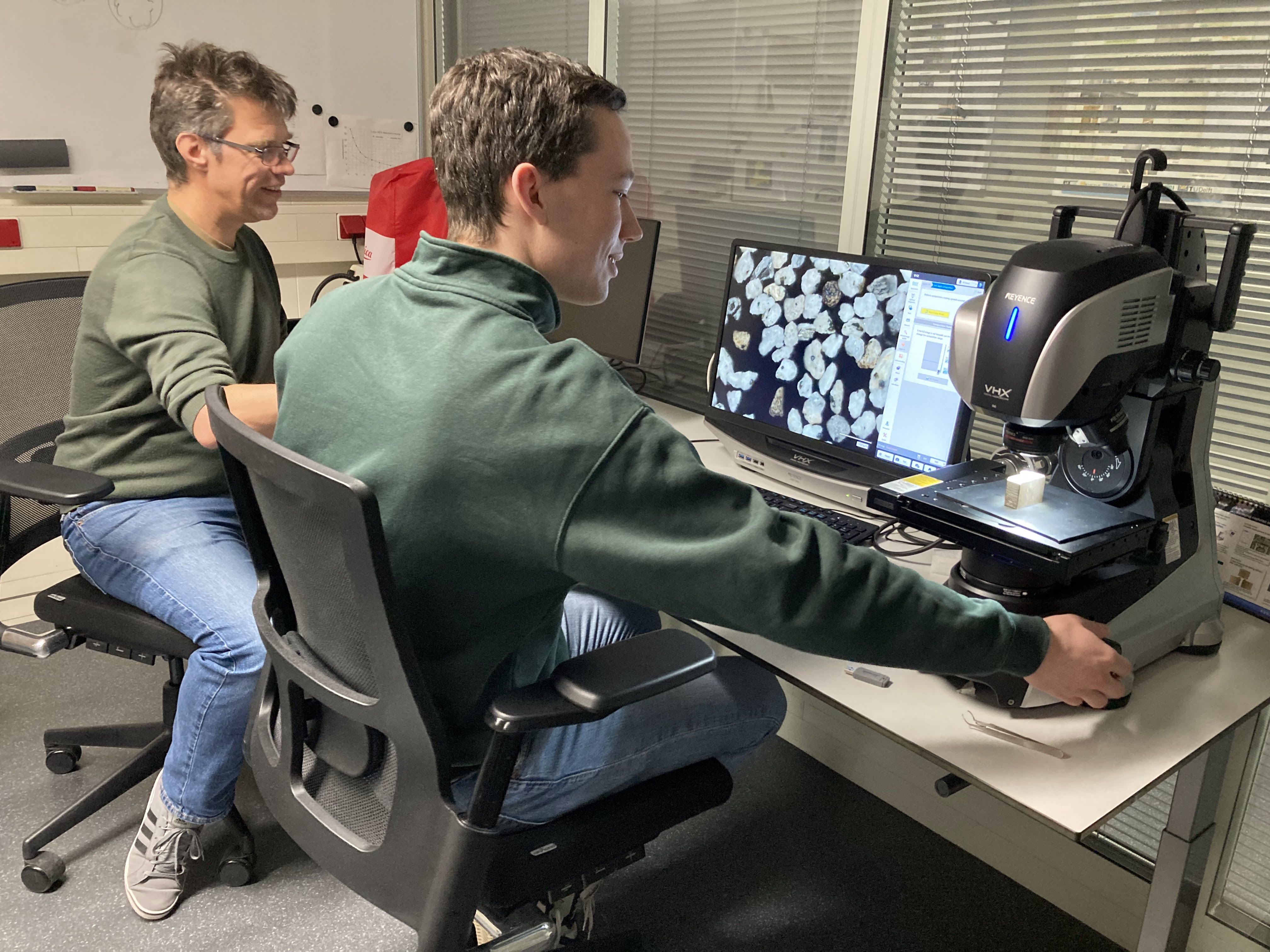
Delft University of Technology operates a nuclear research reactor on campus. With several beamlines and irradiation facilities, the TU Delft Reactor Institute focuses on science and engineering in the fields of nuclear medicine, nuclear technology and material science in e.g. food, batteries, magneto-calorics and cultural heritage but recently also for geological and archaeological purposes. We exploit the complementarity of neutrons to the more commonly used X-ray techniques to look through heavy metals with particular sensitivity to hydrogen and other light elements. On this tour, we will visit several beamline instruments to showcase typical applications of neutrons in materials science.
Your hosts at TU Delft Nuclear Reactor Experimental Hall will be Lambert van Eijck and his colleagues.
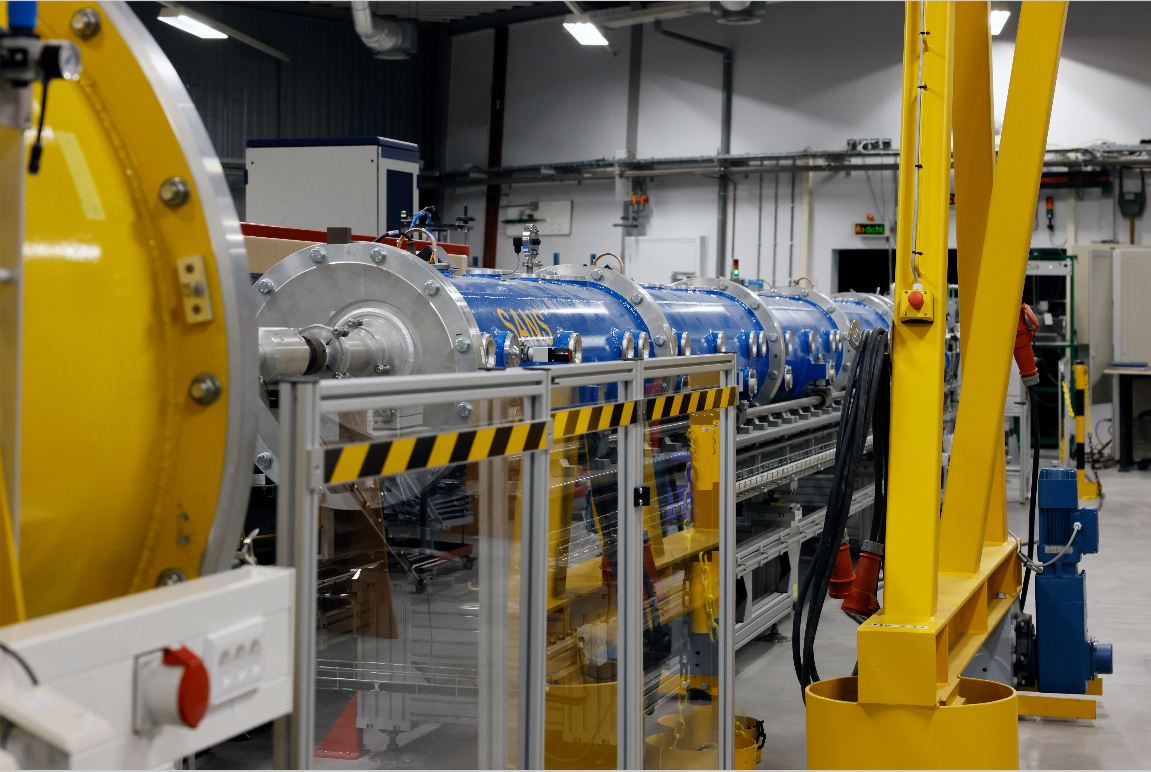
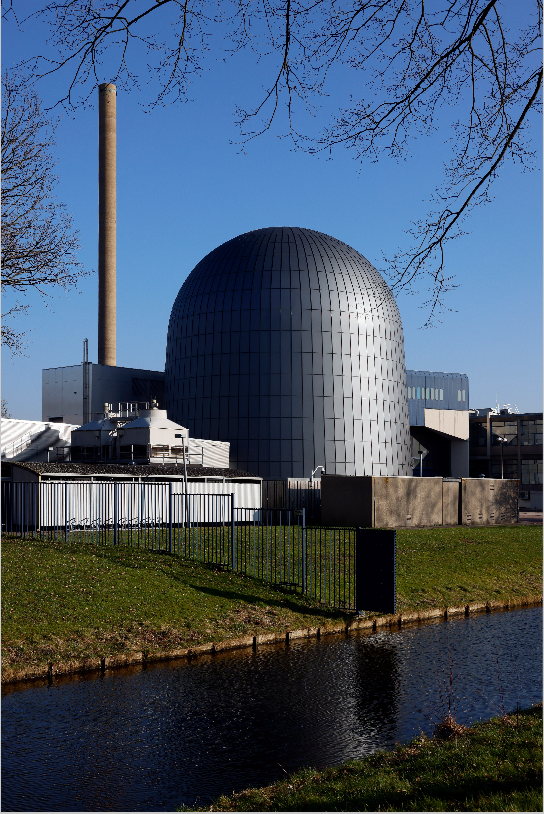
The Geolab visit at TU Delft Nuclear Reactor Institute is planned on Thursday 5 November, from 12:45 to 15:15
Departure & Return points: Aula
Transportation by coach
Lunch bag provided
Maximum number of participants: 20, divided in 2 groups of 10.
The Deltares Geolab tour includes a visit to the:
Geotechnical laboratory,
GeoCentrifuge, and
Water and Soil Flume facilities.
The Deltares geotechnical laboratory specializes in the development and execution of advanced non-standardised experiments on various types of soil. Find out more about the Deltares geotechnical laboratory here.
The GeoCentrifuge is a unique geotechnical test facility, and it can generate up to 150g. In combination with the large dimensions of the centrifuge platform, this puts the Deltares GeoCentrifuge in the top three in Europe. Find out more about the GeoCentrifuge here.
The Water and Soil Flume facility is a big flume (50 m length, 5.5 m width and 2.5 m depth) that is often used for innovative experimental testing by partners from the maritime, energy, dredging and mining industry. Find out more about the Water and Soil Flume facility here.
Your host at Deltares will be Maria Constantinou and her colleagues.
The visit is planned on Thursday 5 November, from 12:45 to 15:15
Departure & Return points: Aula
Transportation by coach
Lunch bag provided
Maximum number of participants: 30, divided in 3 groups of 10.